FLORIDA PANHANDLE
MARINE INSTITUTE


FLORIDA PANHANDLE
MARINE INSTITUTE
FLORIDA PANHANDLE
MARINE INSTITUTE
FLORIDA PANHANDLE
MARINE INSTITUTE
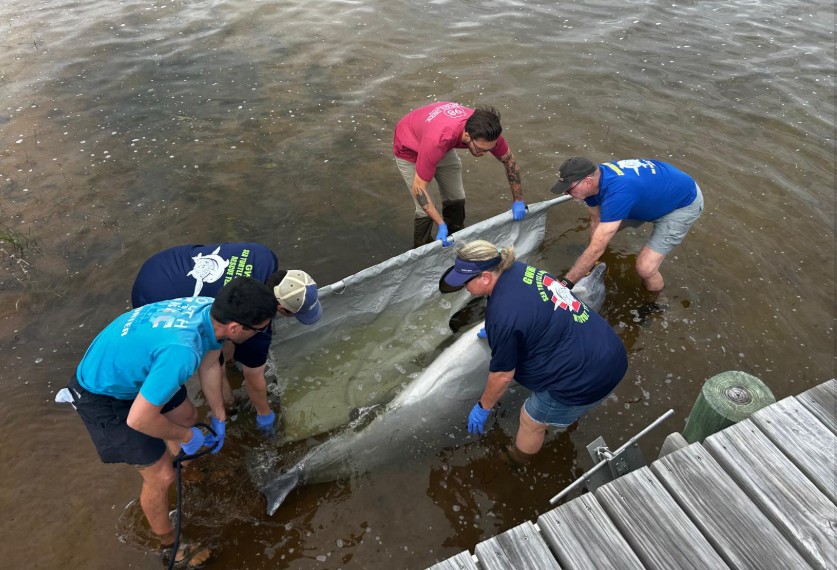
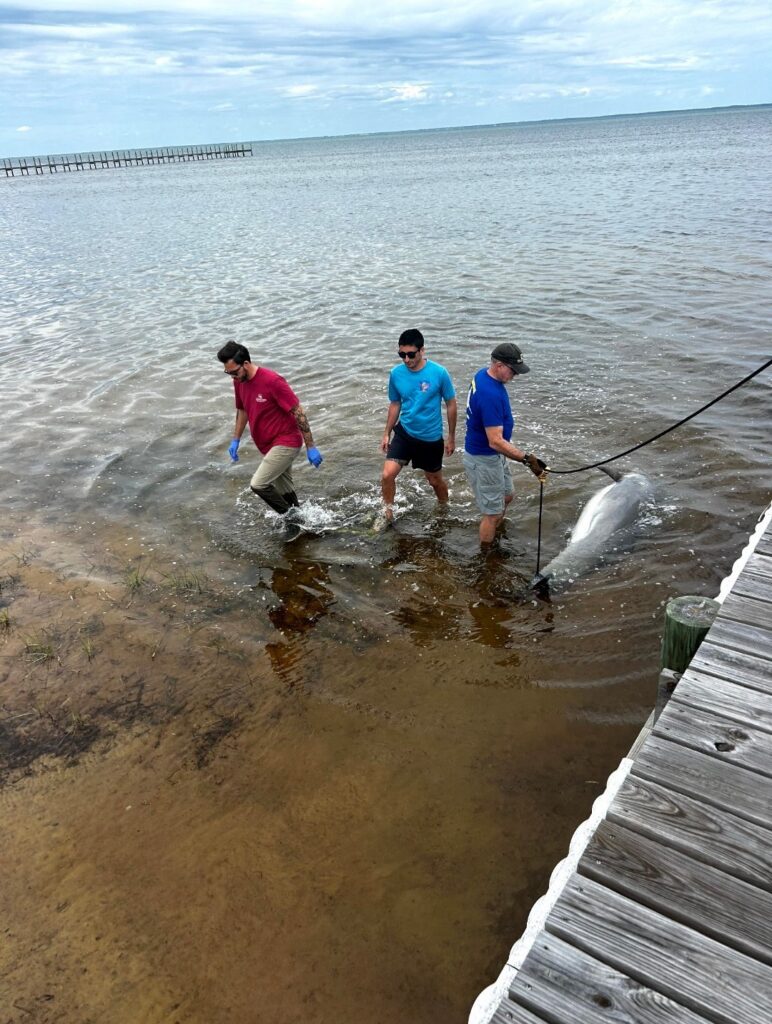
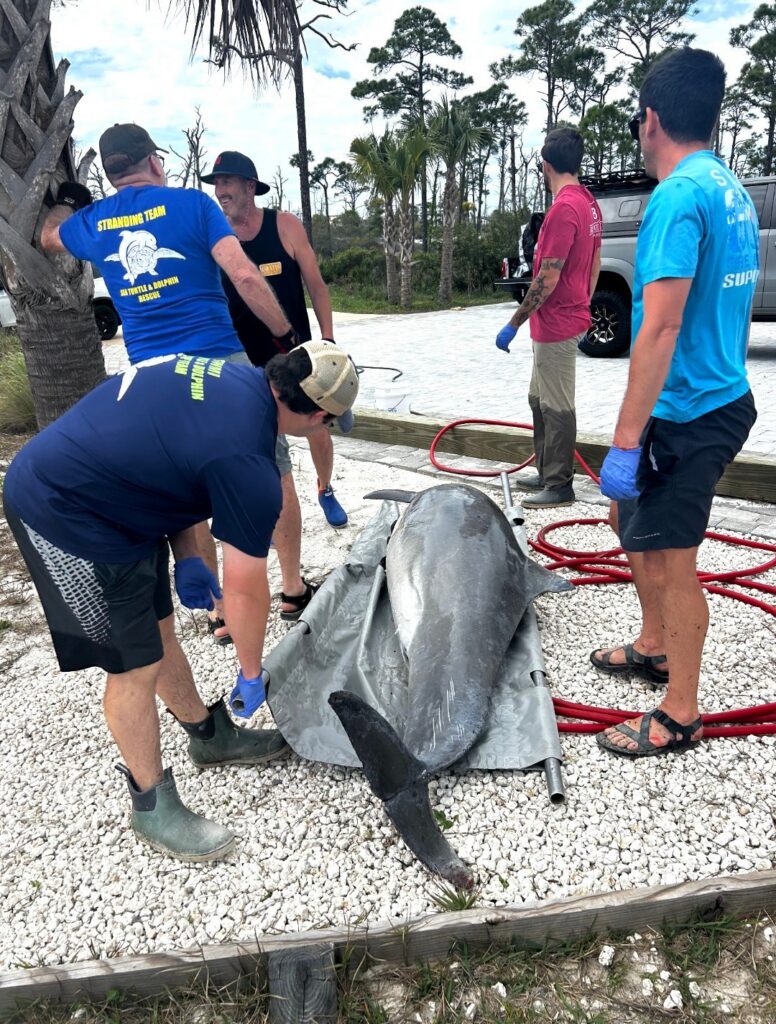
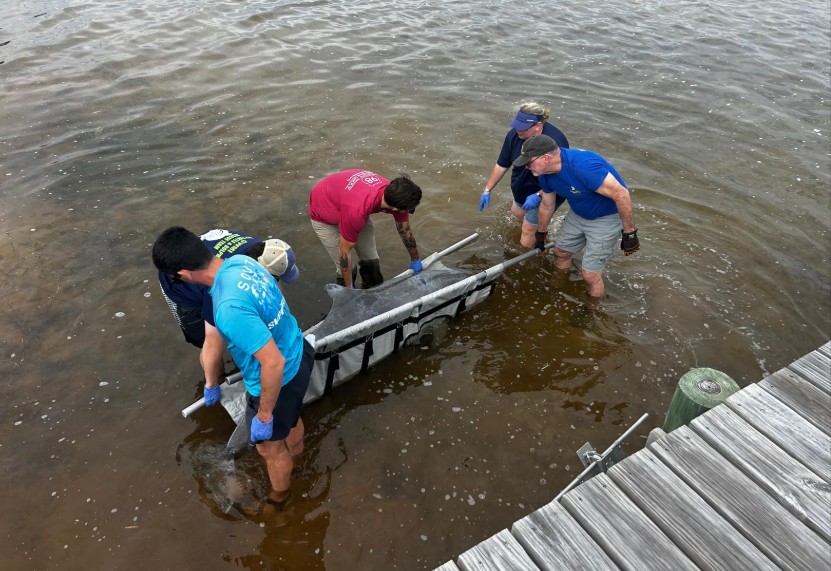
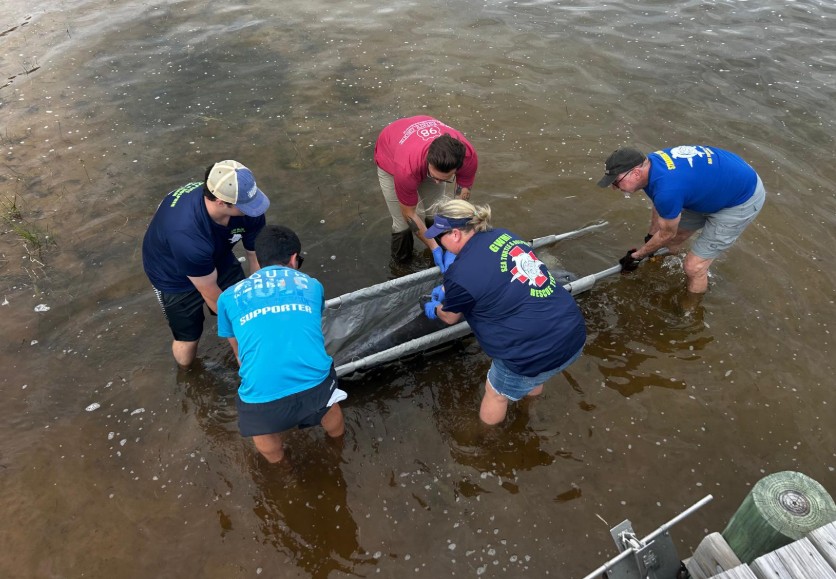
March has been a bit…’mad’ (crazy) for the team with the Florida Panhandle Marine Institute. Today, FPMI staff, volunteers, and community partners worked together to recover the 41st bottlenose dolphin stranding of 2026! Of those, 21 have been reported just in the month of March!! The stranding today was already deceased, and was in good enough condition to recover for a post-mortem examination. With the elevated number of deceased dolphins being reported these last few days, our team has been working diligently to recover and examine as many as possible. Samples taken from those exams have been and will continue to be sent out for analyses at offsite laboratories, to try and discover the cause of such a sudden event.
Everything we are doing right now, from managing calls from concerned citizens, to driving across the Panhandle almost daily, to conducting necropsies at (almost) all hours of the day, are being done while we are still without a “home”. We are actively fundraising to rebuild our base of operations (including all our rehabilitation infrastructure for sea turtles and marine mammals), and we need your help to do it! If you’d like to support the mission that we continue to work towards every day, and want to help get us back on our feet fully, please see the link below to donate!
Thank you for your continued support! We will update as we can regarding the current dolphin stranding event. A special thank you too to all of our network partners, local community support, local law enforcement, and neighboring conservation groups who have stepped up to help us manage these last few critical weeks.
*All marine mammal stranding response work is conducted under a Stranding Agreement with the National Marine Fisheries Service.
WJHG TV Story
WMBB TV Story
UPDATE MAY 7, 2026
Thank you all for your patience and support as we work to investigate what may have caused the recent increased number of bottlenose dolphin deaths in Bay and Gulf counties.
During March 2026, a total of 25 bottlenose dolphins stranded in the panhandle of Florida (Gulf to Okaloosa Counties), with the majority of those occurring in Gulf and Bay Counties in the St. Joseph Bay area. When a marine mammal strands, we make every attempt to recover and investigate it; however, the decomposition state of the animal can limit our ability to conduct a full necropsy (animal autopsy) and to collect tissue samples that allow us to determine causes of illness and death. This natural breakdown of organic matter can cause indicators of illness, infection, injury, or other factors, – clues to the animal’s health and mortality story – to disappear. Of the stranded bottlenose dolphins, most (88%) were in a moderate to advanced state of decomposition. Florida Panhandle Marine Institute (FPMI), along with colleagues from the Dauphin Island Sea Lab, were able to necropsy and sample tissues from a percentage of the cases that were recovered, and many of those tissues have been sent off for analyses. Analyses are conducted by various external laboratories throughout the country, and results must be combined into a bigger picture for full understanding of mortality events. These efforts are done under the management of National Marine Fisheries Service, who we report to for our marine mammal stranding activities.
We analyzed samples from a subset of 7 animals for evidence of biotoxin exposure. For 6 of the 7 animals examined, there was evidence of brevetoxin exposure, with most indicating very high levels of exposure. Tests for known bacterial and viral infections that commonly impact dolphins in the northern Gulf were also conducted, including Brucella, Cetacean Morbillivirus, and Highly Pathogenic Avian Influenza, and all samples analyzed were negative. We are still awaiting the results from histopathology (tissues sectioned and examined by an expert under a microscope), to conclude our investigation into this mortality event. However, at this time our leading hypothesis is that it was caused by brevetoxin, or red tide.
We will keep you posted as we are able to share more. And please continue to notify response personnel if you encounter a stranded, sick, or injured marine mammal or sea turtle. In Florida, you can dial *FWC or #FWC, or dial 1-888-404-3922. You may also contact the NOAA Fisheries Southeast Region hotline at 1-877-942-5343.
All marine mammal response and necropsy activities are conducted under a Stranding Agreement with National Marine Fisheries Service.